


“O beautiful for halcyon skies,
For amber waves of grain,
For purple mountain majesties
Above the enameled plain!
America! America!
God shed his grace on thee,”
Katharine Lee Bates, America the Beautiful
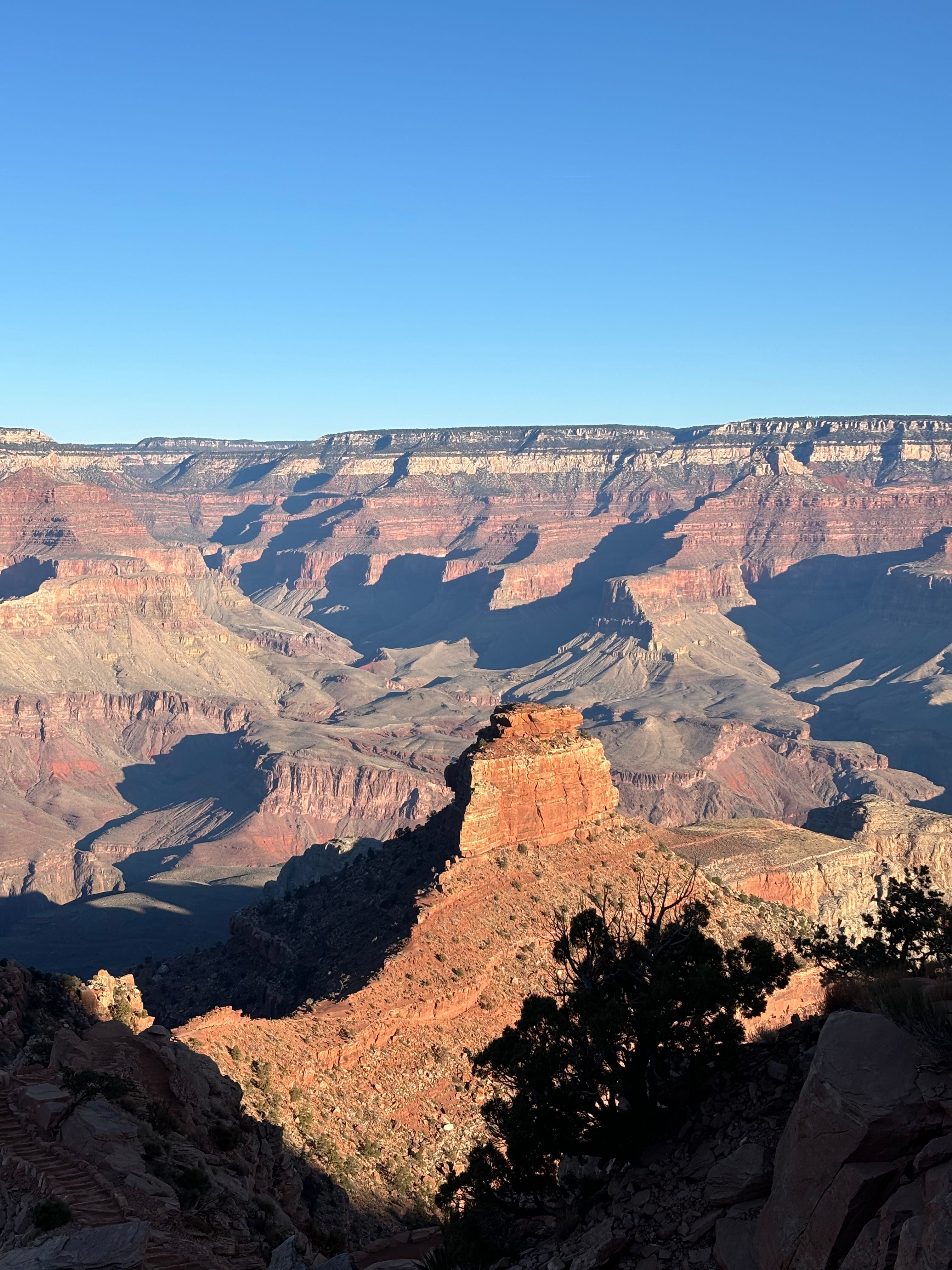
At the edge of the Grand Canyon, atop snow-topped peaks in Colorado, Utah, and New Mexico, on the slopes of the green sea of the Blue Ridge Mountains, I have discovered the wonder that is America.
On its 250th birthday, I want to offer my reflections on the country that rebelled against my own—and that I have called home for the last two and a half years.
During my years reporting in the United States for GB News and The Telegraph, I have witnessed some of the country’s worst horrors. In Seattle, I watched homeless drug addicts inject heroin into their arms while others wandered the streets in a fentanyl-induced stupor. I was attacked by vagrants in San Francisco, and narrowly avoided them in Washington, D.C. I have confronted Antifa activists in Portland, radical Islamic clerics in Detroit, and illegal immigrants in Denver.
And while there are many problems in the United States, from gun crime to welfare dependency, the country is far more than these extreme elements.
Upon moving to Arlington, a city bordering Washington, D.C., I was shocked at how clean the streets were. Accustomed to London’s piles of rubbish, pavements covered in chewing gum, and every public surface covered graffiti, I was reminded that another way of life is possible.
And I moved to the D.C. area at the perfect time. President Trump has beautified its public spaces, cleaning up the grand Union Station and refilling water fountains in parks across the city. The National Guard patrols the city daily, acting as a visible deterrent to would-be criminals. The murder rate has declined more than 40% in a single year.
D.C. is, admittedly, a standout American city. Its buildings are low-rise, and the capital’s monuments attract international visitors. It is walkable, safe, clean, historic and beautiful. It even has exceptional public transport.

Most cities in the US feature interchangeable skyscrapers amid concrete interchange networks choked with traffic. The car beat the train, and is a necessity in most places. While Europeans often dismiss the car, and embrace the tranquility of trains, they sometimes overlook the singular romance of the American road trip.
The sky somehow feels bigger in America. Driving 75 mph down a wide highway in the Texas plains, patriotic country music blasting, unlocks a joy unattainable in Europe.
Beyond the sprawling urban landscapes lie some of the nation’s most spectacular sights.
Driving through the deserts of Arizona and over the soaring mountain passes of Colorado, one cannot help but appreciate the genius of the people who built the richest nation on earth in little more than two centuries.
They did so in some of the roughest, and most spectacular, environments. Thousands of feet above sea level sit marvels of civilization: Denver, the Mile High City; Salt Lake City beneath the Wasatch Range; and Albuquerque, perched on the edge of a high desert.
In two years I have hiked more than 1,000 km across the North American continent. Nothing has brought me more joy than these adventures.
Most weekends I have driven out of Arlington to the Shenandoah Valley. The drive is about an hour and a half, through English-esque green fields with cows, barns, and MAGA signs. After an hour driving through flat countryside, the road dives down, and then immediately up, and you finally see them: the outlines of shallow, ancient green ridges formed hundreds of millions of years ago, the sky tinging the ridges blue.
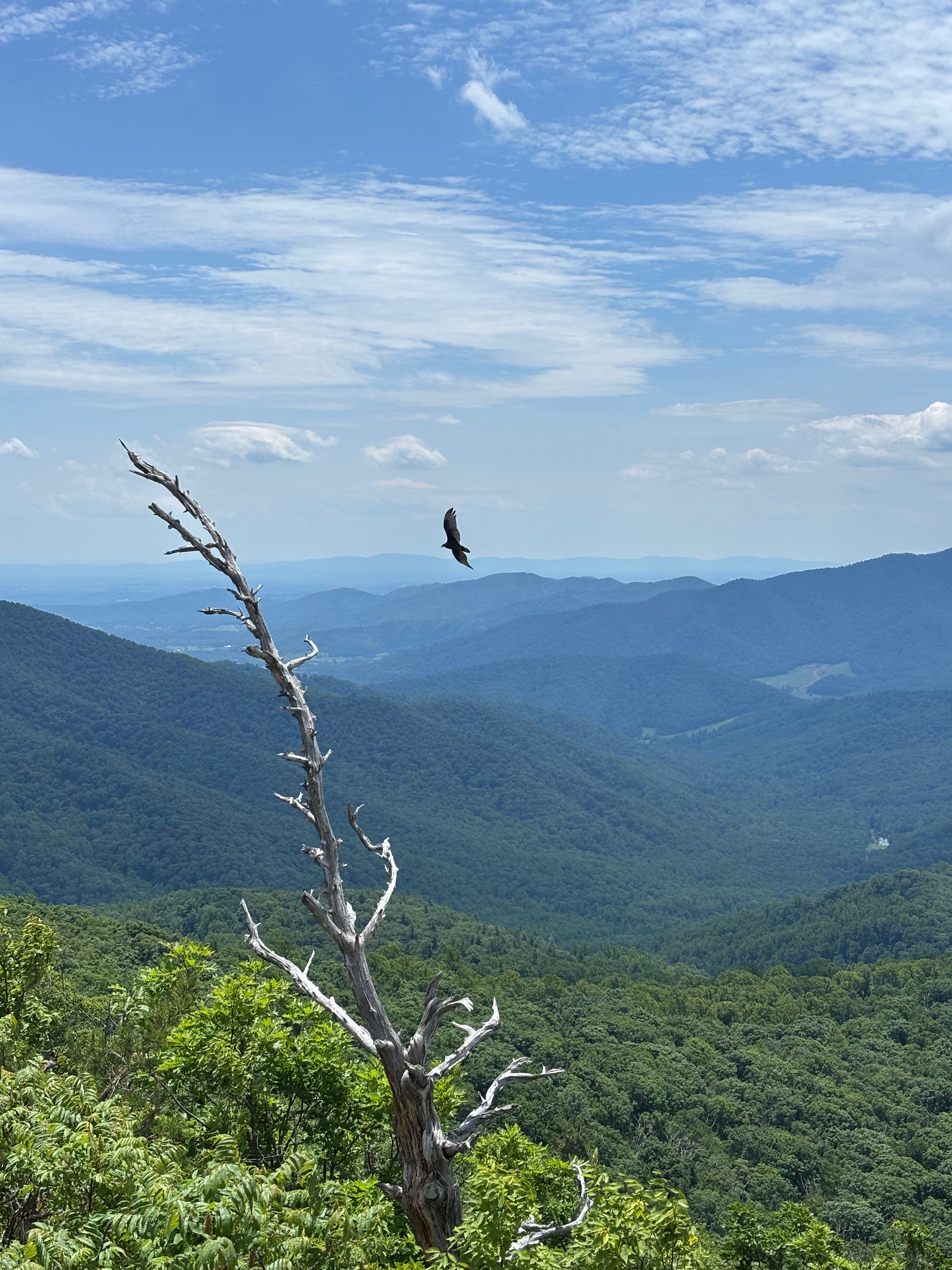
On a mountain overlooking Harper’s Ferry in Maryland, a small 18th century munitions town that changed hands no fewer than eight times during the Civil War, I came into contact with a bear. On slopes where grey-coated Confederates once hauled hefty bronze cannons, a black bear strode across the wooded trail fifty metres ahead of me. After a brief standoff, the bear backed away.
During another Virginia hike, in an absent-minded march, I passed a large black snake which aggressively reared its head at me. I picked up pace, and my heart pumped faster. On such occasions a primal instinct kicks in: fear of the predator filled my veins with adrenaline, and for a moment I felt as those American frontier men must have felt every day as they expanded their nation westward.
Descending into the Grand Canyon, in awe of the vast landscape in front of me, surrounded by the sound of silence, was a semi-mystical experience. So too was trudging up two feet of deep snow in the mountains surrounding Provo, Utah, where there was no other human for miles. Sitting on a bench overlooking a gushing waterfall while eagles soared above was the American experience. Though I do not believe in God, I somehow felt closer to him. These wonders, preserved through the National Parks programme, should be seen by all.
A naked patriotism exists nearly everywhere outside of the major Left-wing cities. In Britain, the Union Jack has become a symbol of Right-Wing protest; in America the Star and Stripes is displayed proudly from airports, homes, diners, shops and petrol stations alike, a unifying symbol for most Americans.
Despite the rise of Mamdanism—a third-world, anti-American, anti-white movement—this is still a nation exuberant in pride and optimism.
Politically, there is much to be hopeful about. Though the MAGA project is by no means complete, no other Western country has voted for such a radical programme of mass deportations and delivered results.
After millions flooded the border in the Biden years, Trump shut it on day one. More than 600,000 people have been forcibly deported since January 2025. Compare this with the fourteen-year Tory government in Britain, which failed to deport a single migrant to Rwanda, and instead housed hundreds of thousands of illegals in hotels at taxpayer expense.
Legal immigration has also been targeted, the first Republican President to do so in decades, with, among other measures, major reforms to the H-1B visa programme. One estimate suggests that, for the first time in fifty years, America saw more migrants leaving the country than entering in 2025.
USAID, which propped up Left-wing NGOs with billions in taxpayer funds, is all but eliminated. Transgenderism, DEI and anti-white racism have been fought across the federal government and in universities. Whatever your criticisms of the second Trump administration, there is no doubt it has been the most effective right-wing government of any Western country outside of Hungary in the last decade.
It is not America’s politics, landscapes, or overt patriotism that fills me with most awe, however. It is its people.
In Springfield, Ohio, which saw nearly 15,000 Haitians flood the town of 58,000 during the Biden administration, I met Mark Sanders, a retired father. One morning Mark received a text from his eleven-year-old daughter. She had sent a picture of an overturned yellow school bus, surrounded by injured children. The bus, just ahead of her own, had been hit by an illegal Haitian migrant driving unlawfully. A child was killed, another was mauled. Mark’s daughter told a counsellor she was terrified to go to school, and would feel safer with her dad driving her bus. So Mark came out of retirement, and now drives his daughter’s yellow bus to school every day.
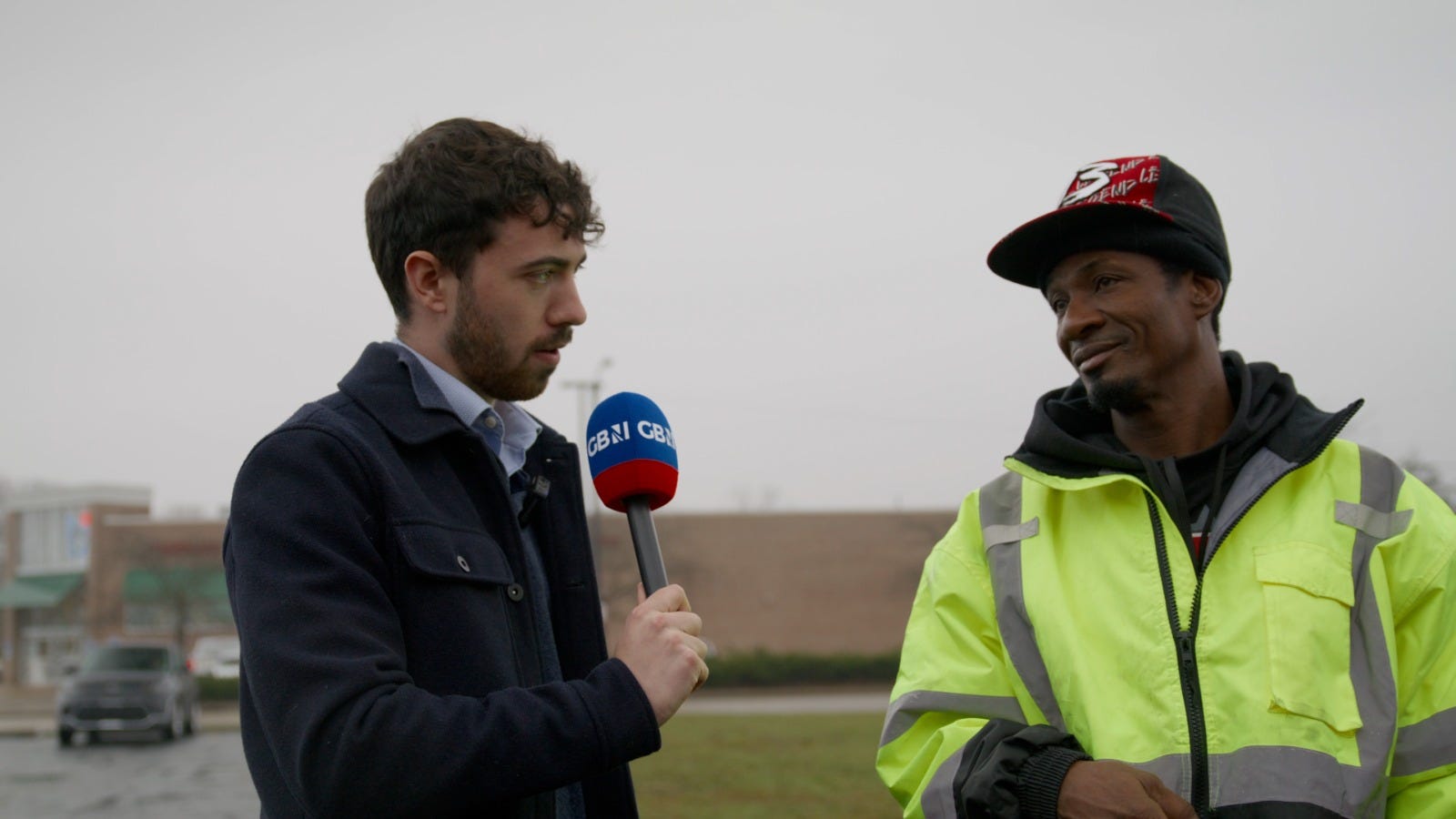
In Aurora, Colorado, I met Shannon Peterson, a softly spoken schoolteacher who for three decades voted Democrat. She once ran a group called Teachers United for Immigrant Rights, campaigned for gun control, and welcomed immigration as a moral good. Then a Venezuelan gang established itself in an apartment block just outside her home. Gunfire became routine. Bullet holes appeared on nearby buildings. Rather than flee, Shannon helped organise a neighbourhood watch to protect her peers. She now owns a handgun and has become a passionate supporter of Donald Trump. “If it wasn’t for Donald Trump,” she told me, “we still might be living next to gang members.”
Just around the corner lived Cindy Romero. She stayed in her apartment even as armed gang members occupied neighbouring flats. Instead of hiding, she installed cameras outside her front door, documenting men carrying rifles through the corridors, break-ins and shootings. Her footage became some of the defining images of the 2024 election campaign. After one gang member came to her door warning her not to call the police, he was shot dead outside her apartment just hours later. Yet she refused to be intimidated, taking her story to the media, thereby helping to expose the disastrous state of migration under Joe Biden.
In California I interviewed a brave whistleblower from FedEx, who exposed how her company outsourced her entire department’s jobs to India. I also met Bryan Peña, who had once made a living helping companies hire foreign workers before concluding that the system was failing his fellow Americans. He now runs organisations helping to support US workers laid off in favour of H-1B migrants.
These were not isolated encounters. Across America, I met countless ordinary people of extraordinary character.
And we must not forget where America came from.
England should be proud of its legacy as the founders of the thirteen colonies. There would be no United States without England; our language, our laws, our liberties all make America great.
God has indeed shed His grace on thee. Happy 250th birthday, America.
Long after it had become clear to the whole world that Rome was no longer the power it had once been and instead had descended into decadency, only it's earliest vassels preferred to believe the fiction of perpetual greatness. Like children faced with the prospect of adulthood, independence was their greatest fear.
Very interesting and well-written account. I like your conclusion very much.