


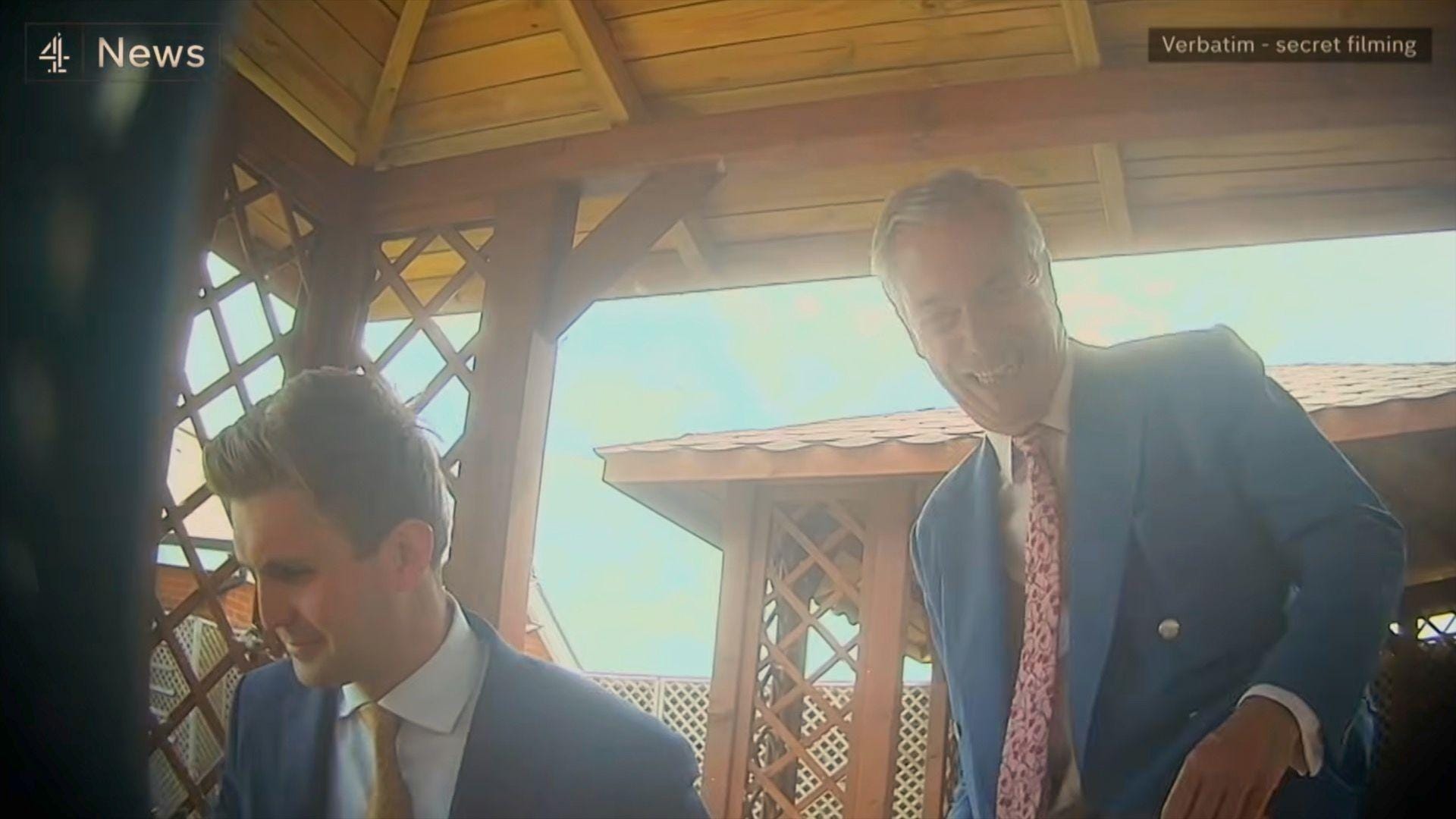
The deployment of undercover operatives by Left-leaning broadcasters against Reform is not journalism; it is political spying.
ITV have, according to Reform, tampered with passport information and used fake addresses to send an “undercover journalist”, i.e. a spy, to work for the party and report on private conversations over a prolonged period. It is the third such person to be weaponised against Reform in two years, and who knows what other spies are working for Reform now under the guise of “journalism” for Left-wing broadcasters.
This is not fair game. No other political party is subject to reporters spending years secretly recording private conversations, nor is the government. These operatives, some of whom are openly partisan Left-wing hacks, are being used by broadcasters to interfere in British politics.
Reform is a legitimate target. It is right that journalists scrutinise them. I certainly have, and I’ve made no friends by rigorously challenging Nigel Farage and Richard Tice in interviews. But party figures have a right to a certain level of privacy behind closed doors.
This is not the Truman show. Political parties need space to debate policies, vet candidates, discuss strategy and reject bad ideas. A suggestion made in a private meeting is not necessarily a policy. A foolish remark or joke is not always evidence of corruption or bigotry. The distinction matters, particularly when those choosing what to publish have political convictions of their own. If I secretly recorded every conversation inside ITV’s headquarters, or, better still, Channel 4’s, for a year, I am confident I could produce a rather embarrassing highlights reel.
